
Breaking Cycles, Building Futures: The Role of Latinx Mentors
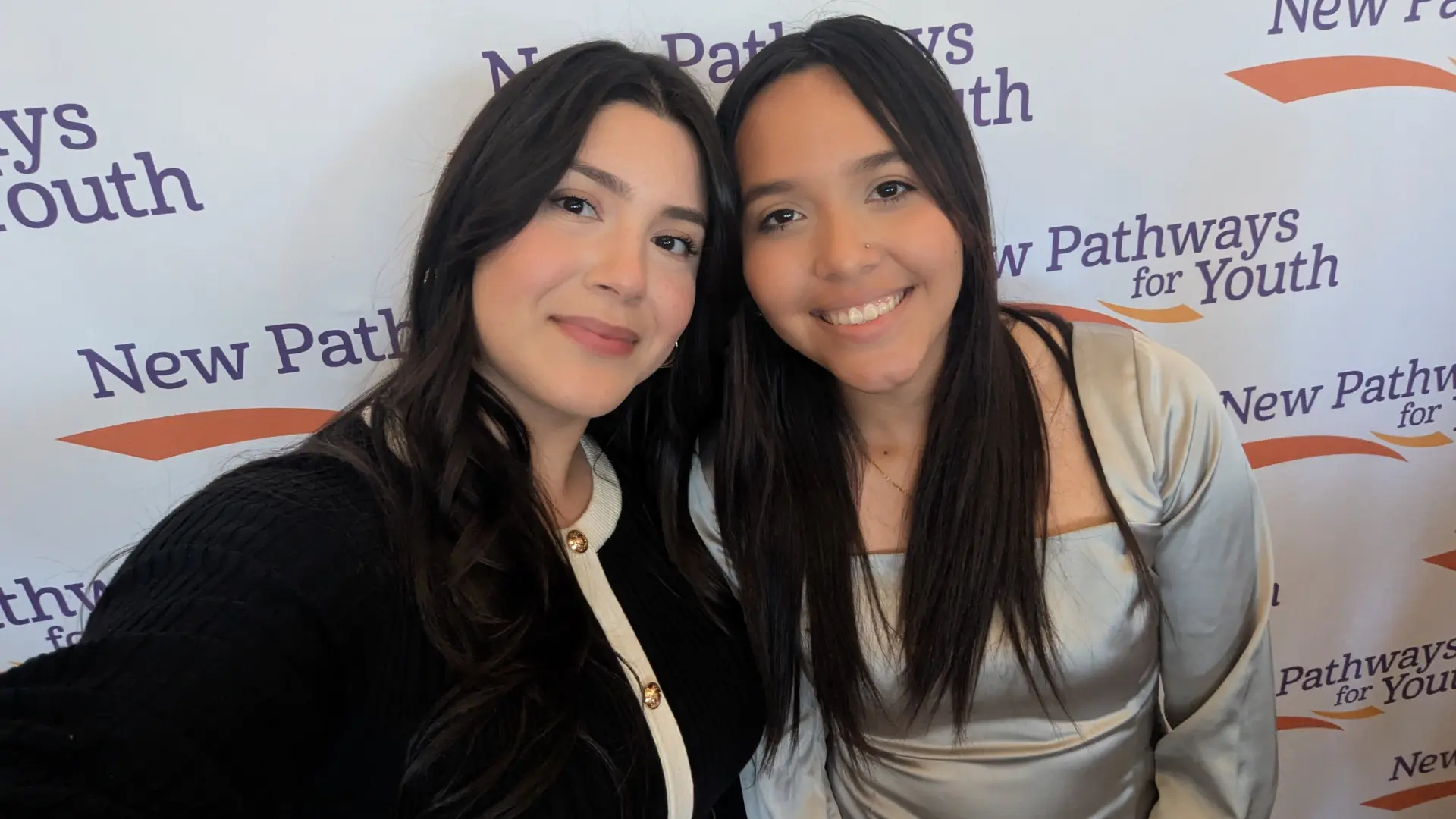
Vanesa (Vané) Contreras Rodríguez, Vice President of Programs and Impact, shares a personal reflection on the power of mentorship through the lens of her Latinidad. While Vané uses the gender-inclusive term Latinx/Latinxs to describe her identity, she honors the diverse ways folxs choose to identify—recognizing that terms like Hispanic, Latino/Latina, Latine, and Latin@ reflect personal, cultural, and lived experiences. Choosing how we name ourselves is a deeply personal decision, and every expression of identity deserves respect and celebration.
Phoenix, AZ, September 16, 2025
As a Mexican immigrant and first-generation college graduate, my journey through the American education system and society was filled with uncertainty, pressure, and moments of deep self-doubt. I didn’t have a roadmap. What I had were mentors—formal and informal—who showed up for me when I needed it most. They exposed me to new possibilities, helped me learn from my mistakes, and reminded me that I wasn’t alone.
Growing up as a young Latina, I carried the weight of expectation. In many Latinx families, we’re seen as the ones who will “make it,” the ones who will honor the sacrifices of our parents and uplift our communities. That kind of pressure can be isolating. I didn’t always feel comfortable sharing my struggles at home, but mentors welcomed my questions, my anxiety, and my vulnerability. They didn’t judge me. They validated me. That changed everything.
Now, as a professional, mentorship is the heartbeat of my work. Whether through my career or in my personal time, I’ve made it my mission to uplift and guide youth and young professionals. Currently, I’m mentoring a young adult named Anna through the Level Up Program.
People often assume mentors are the ones doing the teaching, but the truth is, mentorship is a two-way street. Anna has challenged me to grow—not just as a mentor, but as a person, an advocate, and a friend. Her perspective, resilience, and curiosity have reminded me why this work matters and how powerful it is when we show up for each other. For me, mentoring isn’t just about giving back—it’s a way of honoring those who helped me rise.
But mentorship is more than guidance, it’s about visibility. Latinx mentors help Latinx youth dream big and believe those dreams are possible. When young people see someone who shares their culture, their language, their lived experience, it sends a powerful message: You belong. You are capable. You are not alone.
Mentorship rooted in cultura and familia is transformational. We understand the nuances of Latinx identity, and even when our stories differ, we share a cultural lens that allows us to connect deeply and authentically. That connection empowers youth to move through systems not built for us, to break cycles of oppression, and to access the culturally responsive support they need to thrive.
Raising our hand to mentor Latinx youth is not just an act of service—it’s a reflection of who we are. As Latinxs, we don’t leave others behind. We know it takes a village to rise. And we know that we are that village. We are the ones who reach back while moving forward. We build bridges where there were once barriers.
At New Pathways for Youth, initiatives like Caminos are mobilizing Latinx professionals and community leaders to do just that. But this work isn’t confined to NPFY—it’s a movement. A call to action for all of us who’ve been mentored, who’ve been lifted, who’ve been seen—it’s our turn.
Mentorship is more than a role, a title, or an experience—it’s a responsibility rooted in our collective power. For Latinx youth, it can be the spark that turns survival into success and dreams into reality. Latinx mentors are the bridge between possibility and access. When we raise our hands to mentor a youth, we’re not just giving back, we’re breaking cycles, building futures, and embodying the very essence of our Latinidad: we rise, and we bring others with us.